What is a node? A beginner’s guide
A participant in a network, not automatically an income-producing machine.
November 17, 2026 · Beginner reading · Free to read
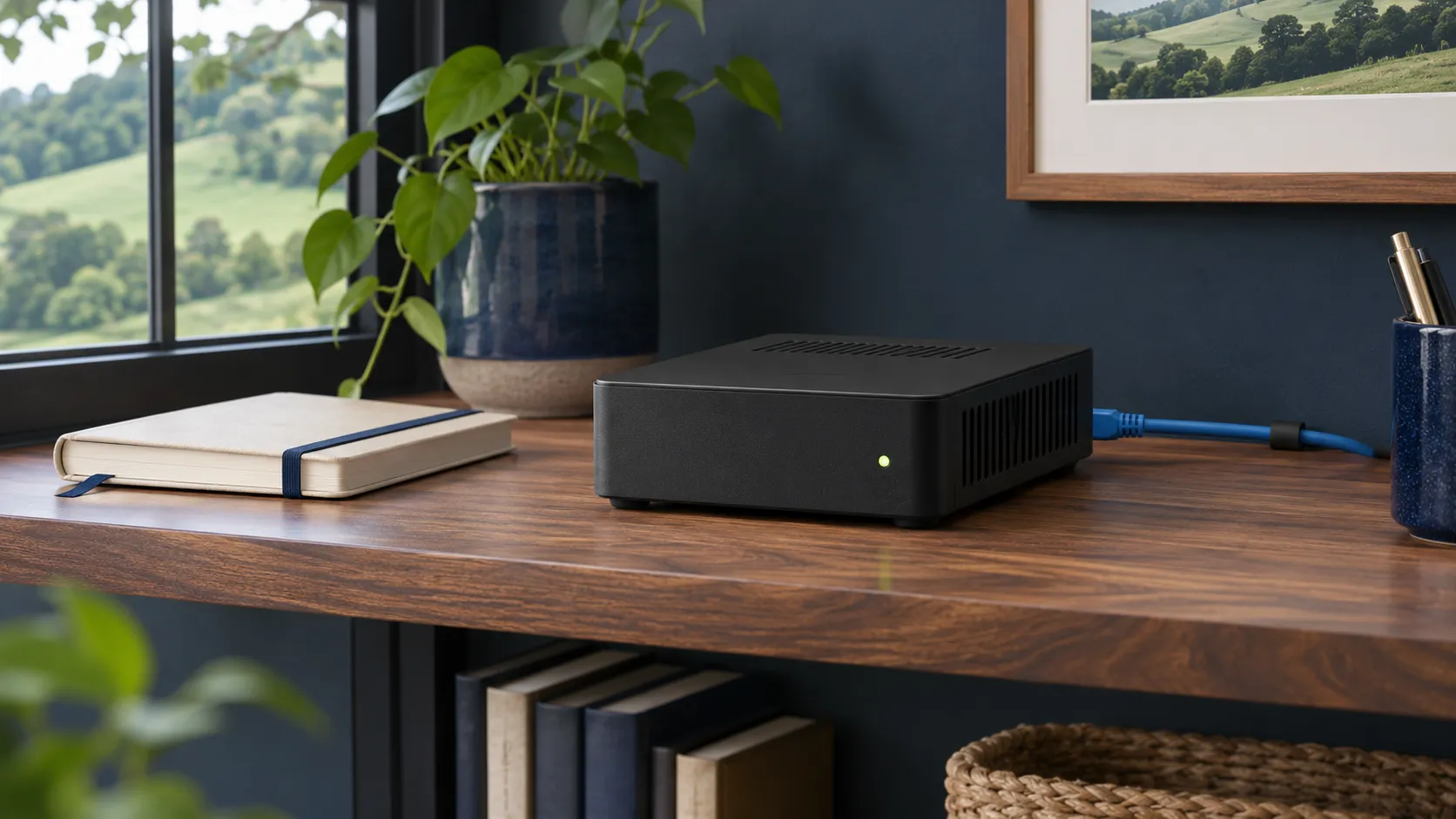
When people say “node,” they may mean a computer, the software it runs or a commercial product sold under that name. Start by asking which meaning is intended.
The simple version
On a blockchain network, a node runs software that communicates with other participants. A full node checks network data against the protocol's rules and can share information with its peers. The precise duties depend on the network.
Think of a group maintaining copies of a shared ledger. Rather than believing whichever copy arrives, participants check it against agreed rules. It is an imperfect analogy, but it captures why independent verification matters.
Five terms that are not interchangeable
- Wallet: a tool for interacting with an account and authorizing transactions.
- Node: software participating in a network, and often the machine running it.
- Validator: a role in a proof-of-stake network that helps establish agreement on blocks, with protocol-specific requirements and risks.
- Miner: a participant performing proof-of-work in networks that use that system. Not all networks use mining.
- Node license: a project's commercial permission or token. Its rights and duties depend on the actual terms, not the label.
What does an operator take on?
Potential requirements include suitable hardware, storage, bandwidth, electricity, updates and monitoring. These vary by network and role. You should not buy hardware using another project's specifications.
For example, running a regular Ethereum node does not require owning ETH. It can let you verify network information yourself rather than relying entirely on someone else's node. Running it does not automatically pay rewards; staking is a separate activity. Ethereum's own guide describes the distinction and practical requirements.
Ready for the next question?
Our deeper guide, What are you really buying when you buy a node?, compares hardware, licenses and services, and provides a due-diligence checklist.
Understand the role first. Decide whether to operate or purchase later.